Jesus T-Shirt Designs: A Designer’s Review for Embroidery
As a designer who has spent years digitizing patterns and reviewing T-Shirt Designs for real-world application, I approach every new file with a critical eye. It is not enough for a graphic to look good on a screen; it must translate flawlessly into thread and fabric. Recently, I evaluated Jesus T-shirt Designs to determine its viability for commercial embroidery projects. This review breaks down the practical implications of using these vector-based graphics in a professional setting, moving beyond simple aesthetics to focus on stitchability, market appeal, and production efficiency.
First Impressions: Visual Personality and Mood
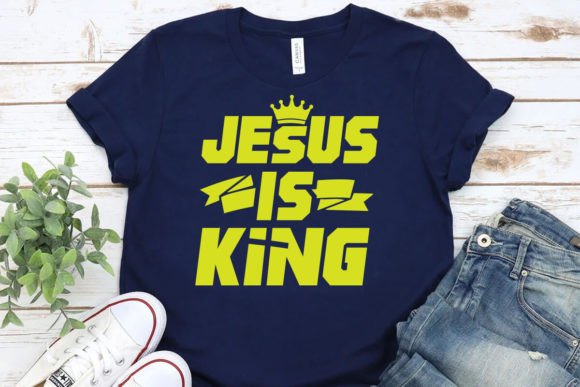
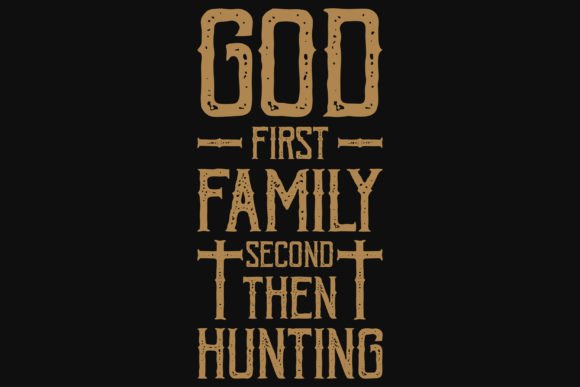
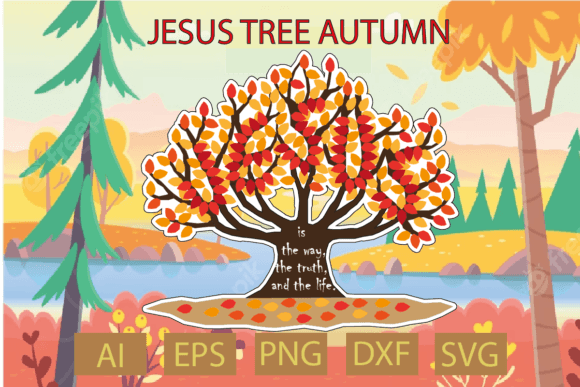
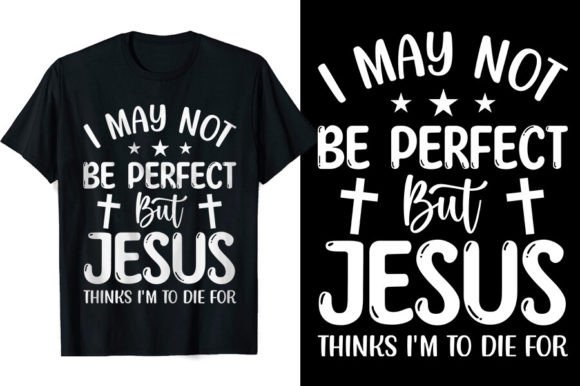
The initial impact of Jesus T-shirt Designs is one of reverence mixed with modern accessibility. The layout avoids the cluttered, overly complex details that often plague religious imagery, opting instead for clean lines and recognizable silhouettes. For an embroidery designer, this clarity is crucial. Complex gradients and microscopic details do not translate well to thread, but these designs appear structured for conversion. The mood is peaceful and inviting, making it suitable for a wide demographic, from youth groups to mature believers looking for subtle faith expressions.
When viewing these as Graphics, the balance between negative space and positive shape is evident. This is vital for embroidery because thread has physical volume. A design that is too dense will pucker the fabric, while one that is too sparse may lack impact. These designs seem to strike a middle ground, offering enough substance to hold attention without overwhelming the garment.
Real-World Application: From Screen to Stitch
To truly test the value of Jesus T-shirt Designs, I imagined a specific client scenario. A local boutique owner wanted to launch a spring collection featuring custom embroidered tote bags and lightweight sweatshirts. She needed designs that felt handmade yet professional. Using these vector files as the base, the potential for high-quality custom apparel became clear.
For a tote bag, the design’s scale can be enlarged without losing integrity, thanks to the vector format. A larger hoop size allows for more creative freedom with fill stitches, creating a textured, premium look. On a sweatshirt, the same design can be scaled down for a left-chest placement, acting as a subtle badge of faith. The versatility here is a significant selling point for any Etsy seller or small shop product creator who needs to maximize the utility of a single digital asset.
Consider also the growing market for baby embroidery and nursery decor. A simplified version of these designs could work beautifully on a muslin swaddle or a crib pillow cover. However, this requires careful adjustment of stitch density to ensure the fabric remains soft and breathable. The gentle theme of the artwork aligns perfectly with the tenderness required for infant products, making it a strong candidate for personalized gift items.
Technical Considerations for Embroiderers
While the visual appeal is strong, the technical execution requires attention. Since the product description highlights that these are 100 Vector File and Print Ready File formats like EPS and AI, it is important to note that these are not native embroidery files (such as PES or DST). As a professional, I must advise that you will need to digitize these vectors or use auto-digitizing software with caution. Auto-digitizing often fails to account for pull compensation and stitch direction, which are critical for a polished finished product.
When converting these T-Shirt Designs into a machine embroidery design, pay close attention to the following:
- Stitch Density: Religious iconography often features robes or halos. Ensure these areas do not become too dense, which can cause stiffness. Use a combination of fill stitch for larger areas and satin stitch for borders to maintain flexibility.
- Small Details: If the design includes fine lines or small text, verify that they are thick enough to be stitched. Tiny details may break or get lost in the fabric texture. You may need to simplify certain elements during the digitizing process.
- Fabric Texture: Test the design on various materials. A tote bag design works well on heavy canvas, but the same stitch pattern might pucker a thin cotton t-shirt. Always use the appropriate stabilizer to support the fabric during stitching.
- Thread Colors: The choice of thread can make or break the design. For a classic look, gold or silver metallic threads can highlight halos, but they require slower machine speeds. For everyday wear, standard polyester threads in muted earth tones or crisp whites offer durability and ease of care.
Navigating Challenges: Where to Use Caution
Not every surface is ideal for every design. When working with Jesus T-shirt Designs, be cautious with curved surfaces like caps. The curvature of a cap panel can distort wide designs. It is best to keep the embroidery narrow and centered. Additionally, dark fabrics present a challenge if the design relies on light-colored threads. You may need to add an underlay or use a backing material to prevent the fabric color from showing through the stitches.
For items that undergo frequent washing, such as kitchen towels or children’s clothes, ensure that the stitch count is optimized. High stitch counts can lead to thread breakage over time. A balanced approach using running stitch for outlines and moderate fill for shapes will enhance longevity. Always wash-test your samples before listing them as commercial embroidery products.
Enhancing Brand Value and Customer Trust
In the world of craft business and digital product sellers, presentation is everything. Using high-quality source files like these allows for the creation of stunning printable mockup images. When customers see a crisp, well-rendered preview of the embroidery on a lifestyle image, their confidence in the handmade product increases. This visual professionalism translates directly to higher perceived value and better buyer engagement.
Furthermore, consistency in design quality builds brand trust. If you are an apparel decorator or a creative entrepreneur, offering a cohesive line of faith-based apparel using these design assets can help establish your niche. Customers appreciate when a designer pays attention to the spiritual and aesthetic nuances of the subject matter. It shows respect for the theme and care for the end-user.
Practical Notes for the Working Designer
Before you commit to a large production run or list these as digital embroidery file derivatives, take these practical steps:
- Test on Scrap Fabric: Never stitch directly on your final garment. Use similar fabric scraps to test tension, density, and color combinations.
- Check Licensing: While the description states you can edit and use the files, always confirm the specific terms for commercial use. Ensure you have the right to sell the embroidered patch or garment created from these designs.
- Mockup in Black and White: Convert the design to grayscale to check for contrast issues. If the design loses definition in black and white, it may lack clarity in single-color embroidery.
- Verify Hoop Size Compatibility: Ensure the scaled design fits within your available hoop sizes. Adjust the layout if necessary to avoid re-hooping, which can lead to misalignment.
In conclusion, Jesus T-shirt Designs offers a solid foundation for meaningful and marketable embroidery projects. With careful digitizing and thoughtful material selection, these graphics can elevate your holiday embroidery collections, wedding gifts, and everyday custom apparel. By focusing on technical precision and artistic integrity, you can create products that resonate with customers and stand the test of time.