Reviewing Be the Light - Christian SVG for Embroidery
As a designer who spends half my life digitizing and the other half stitching, I have learned that not every graphic translates well to thread. We often see beautiful T-Shirt Designs online that look crisp on a screen but turn into a tangled mess under the needle. When I first opened the file for Be the Light - Christian SVG, my immediate goal was to determine if this asset could hold up in a real-world embroidery project. This is not just about whether the lines are clean; it is about whether the sentiment survives the transition from digital Graphics to tactile art.
First Impressions: Mood and Visual Personality
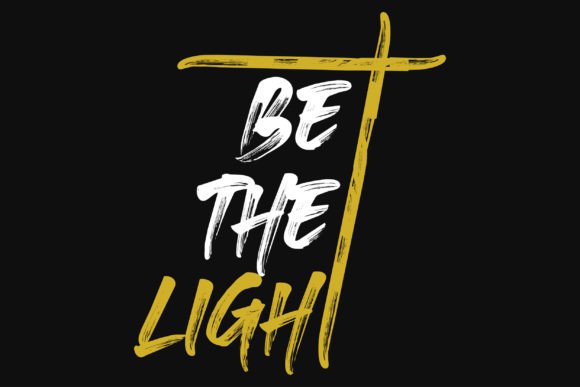
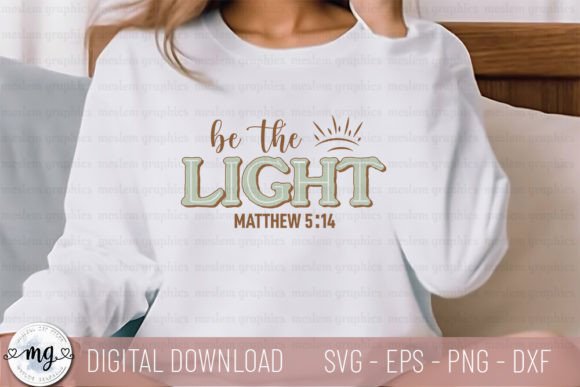
The phrase "Be the Light" carries a weight of warmth and encouragement. Visually, the design relies on strong, legible typography paired with symbolic imagery, likely a sunburst or light motif. For an embroidery designer, this combination presents both an opportunity and a challenge. The mood is uplifting, making it ideal for personalized gifts, boutique branding, or faith-based apparel. However, the success of such a design depends entirely on how the curves of the letters and the rays of light interact with stitch direction.
In its raw SVG form, the design appears balanced. But when I imagine it as a machine embroidery design, I immediately start thinking about density. If the light rays are too thin, they may disappear on textured fabrics. If the lettering is too bold, it might pucker lightweight materials. This initial assessment is crucial before we even thread the machine.
Real-World Application: The Sweatshirt Test
To truly evaluate Be the Light - Christian SVG, I visualized a specific scenario: a custom order for a local ministry group needing matching sweatshirts. Sweatshirts are forgiving due to their thickness, but they also demand high-quality digitizing to avoid stiffness. I imagined placing this design on the left chest of a heather grey crewneck.
In this context, the design shines. The contrast between the bright thread colors and the muted fabric would make the message pop. As a sweatshirt embroidery piece, it needs to feel substantial but not heavy. If the original SVG is converted into a proper embroidery file with appropriate underlay stitches, it can sit flat against the fleece. For an Etsy seller or small shop owner, this type of product has high perceived value. It is not just a shirt; it is a statement piece that customers wear with pride.
Versatility Across Products
Beyond sweatshirts, where else does this design fit? I considered its use on a canvas tote bag design. Here, the durability of the stitch becomes paramount. A tote bag gets tossed around, washed, and loaded with groceries. The design must be robust. Using a fill stitch for the larger elements and a clean satin stitch for the borders would ensure longevity. Similarly, for a personalized gift like a nursery blanket or a baby onesie, the scale must be reduced. This is where caution is needed. Tiny details in the "light" motif might merge together if scaled down too far for baby embroidery.
For those selling digital embroidery file packages, offering multiple sizes is key. A version optimized for a 4x4 hoop for patches and another for a 5x7 or 6x10 hoop for shirts would cover most bases. This flexibility increases the appeal for crafters who own different machines.
Technical Considerations and Stitching Clarity
Let us talk about the technical side. The product description mentions receiving an EPS and an SVG file. It is vital to understand that these are vector graphics, not native embroidery formats like PES or DST. As a reviewer, I must emphasize that you cannot simply load an SVG into an embroidery machine. You need software to convert these design assets into stitch data. This conversion process is where the magic—or the disaster—happens.
When converting Be the Light - Christian SVG, pay close attention to stitch density. High density looks rich but can cause puckering on thin fabrics. Low density saves time but might show the fabric underneath, ruining the visual impact. For dark fabrics, you will need a dense underlay to prevent the background color from bleeding through the lighter thread colors. This is a common mistake for beginners who skip the test stitch.
Fabric and Hoop Constraints
Not all fabrics behave the same. On a structured cap, the curved surface distorts designs. If you plan to use this for headwear, you must adjust the pull compensation in your digitizing software. For stretchy performance tees, a cut-away stabilizer is non-negotiable to maintain shape after washing. On delicate linens for kitchen towels, a tear-away stabilizer and lower tension settings are required to prevent holes.
Small hoop sizes present another challenge. If you are stitching a 4x4 patch, the text "Be the Light" might become illegible if the font is too intricate. In such cases, simplifying the design or removing decorative elements from the light motif might be necessary to preserve clarity. Always check the smallest detail in your preview mode before hitting start.
Enhancing Brand Consistency and Customer Trust
For commercial embroidery professionals, consistency is everything. If you are using Be the Light - Christian SVG for a client’s brand, the stitching must look identical across fifty units. This requires strict control over thread brands and tension settings. Using high-quality rayon or polyester threads ensures that the colors remain vibrant, reinforcing the professional look of the finished product.
Customers trust handmade items that look polished. A messy backside or loose threads can undermine the perceived value of even the most beautiful design. Taking the time to trim jumps and secure tails shows attention to detail. This level of care turns a simple custom apparel item into a heirloom-quality piece. For holiday embroidery gifts, this extra effort is what generates repeat business and positive reviews.
Practical Designer Notes for Best Results
Before you commit to a full production run, follow these steps to ensure success with this design:
- Test on Scrap Fabric: Always stitch out a sample on the exact fabric you intend to use. This reveals issues with tension and density.
- Check Thread Contrast: View your design in black and white to ensure the elements are distinct. If the light motif blends into the text, adjust the spacing.
- Verify Licensing: The product includes SVG and EPS files. Confirm whether the license allows for commercial use of the stitched items. Most designers allow selling physical products but prohibit reselling the digital file itself.
- Inspect Small Details: Zoom in on the corners of the letters and the tips of the light rays. These areas are prone to breaking needles if the digitizing is too sharp.
- Use Proper Stabilizer: Match the stabilizer to the fabric weight. Heavy fabrics need less support; light fabrics need more.
Final Verdict on Design Utility
Be the Light - Christian SVG is a versatile asset for creators who understand the nuances of embroidery. It is not a plug-and-play solution for the uninitiated, but for those willing to engage with the digitizing process, it offers significant potential. Whether used for a small shop product line, a church fundraiser, or a thoughtful personalized gift, the design carries a message that resonates. By respecting the technical requirements of thread and fabric, you can transform this digital graphic into a tangible expression of faith and style. The key lies in preparation, testing, and a keen eye for detail. When executed well, it becomes more than just a design; it becomes a beacon of quality craftsmanship.